
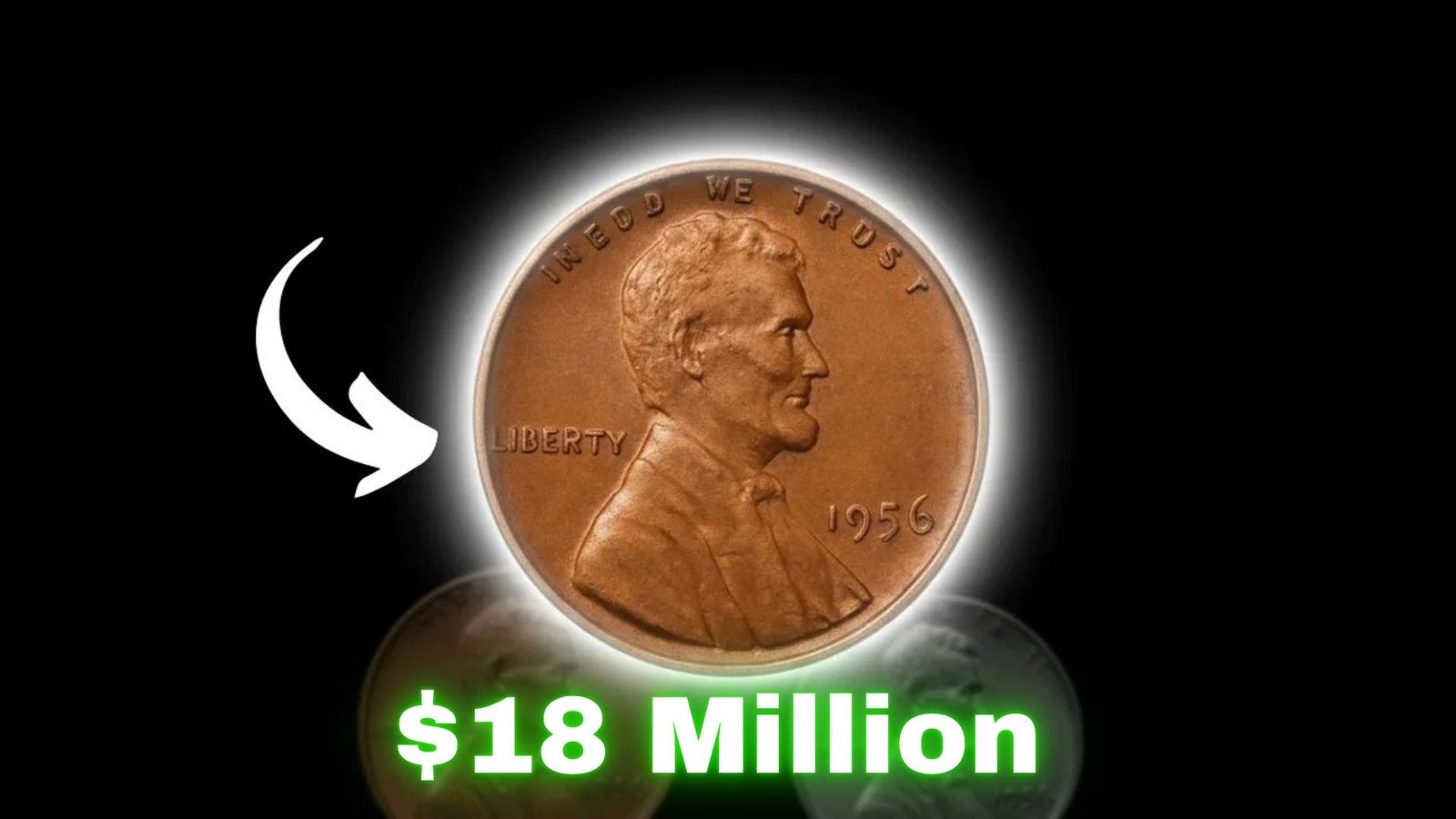
There’s a good chance you’ve handled one of these little copper coins without realizing its hidden worth. Wheat Pennies, once everyday pocket change, have quietly become treasured collectibles—some now worth hundreds or even thousands of dollars. But what makes these humble coins so valuable, and how has their worth evolved over the past decade? Let’s uncover the mystery behind these tiny pieces of history.
What Are Wheat Pennies and Why Do They Matter?
The Wheat Penny, officially known as the Lincoln Wheat Cent, was first minted in 1909 to honor the 100th birthday of President Abraham Lincoln. Designed by Victor David Brenner, it features Lincoln on the obverse and two wheat stalks on the reverse—a symbol of prosperity and unity. These coins were minted until 1958, when the familiar Lincoln Memorial design replaced them. While they once jingled in millions of pockets, collectors now chase them for their scarcity, historical value, and rising market demand.
The Journey of Value: How Wheat Pennies Have Grown Over 10 Years

In 2015, common-date Wheat Pennies were worth little more than 3 to 10 cents each in circulated condition. But by 2025, the market has shifted dramatically. Increased collector interest, rising metal prices, and nostalgia for early U.S. coins have all contributed to the surge. Rare varieties—like error coins and early mintages—have skyrocketed.
| Year | Average Circulated Value | Average Uncirculated Value | Collector Interest Index |
|---|---|---|---|
| 2015 | $0.05 – $0.15 | $1 – $3 | Moderate |
| 2020 | $0.10 – $0.25 | $3 – $10 | High |
| 2025 | $0.15 – $0.50 | $5 – $20+ | Very High |
Even more striking are key dates like the 1909-S VDB, 1914-D, and 1931-S, which have appreciated by up to 40% in auction markets over the last decade.
Top 5 Most Valuable Wheat Pennies in 2025
| Coin | Mint Year | Key Feature | Approx. Value (2025) |
|---|---|---|---|
| 1909-S VDB | 1909 | Designer initials on reverse | $1,000 – $3,000+ |
| 1914-D Lincoln Cent | 1914 | Denver mint, low mintage | $400 – $2,000 |
| 1922 No D Error | 1922 | Missing Denver mintmark | $500 – $1,500 |
| 1931-S Lincoln Cent | 1931 | Low mintage of 866,000 | $200 – $800 |
| 1943 Copper Penny | 1943 | Struck in copper (error) | $100,000+ |
Why Are Wheat Pennies Still Valuable Today?
Several factors make Wheat Pennies stand out even now. Scarcity, condition, and unique minting errors drive their value. With every passing year, more are lost, melted, or forgotten, leaving fewer in collectible condition. The emotional connection to Lincoln and the historical era of early 20th-century America adds an almost romantic charm to these coins. For many, owning a Wheat Penny isn’t just about money—it’s about holding a fragment of the past.
How to Identify and Value Your Wheat Pennies
- Check the Year and Mintmark: Look below the date for “S” (San Francisco), “D” (Denver), or no mark (Philadelphia).
- Examine the Condition: Sharp details and minimal wear significantly increase value.
- Search for Errors: Double dies, off-centers, or missing mintmarks can multiply a coin’s worth.
- Use a Coin Grading Service: Professional grading by PCGS or NGC authenticates and boosts market value.
- Store Properly: Use protective coin holders to prevent oxidation and scratches.
Fascinating Facts About Wheat Pennies
- The 1943 Copper Penny was mistakenly struck when leftover bronze planchets were used during WWII steel production.
- The 1909-S VDB was pulled from circulation shortly after minting because of the prominent initials “VDB,” making it ultra-rare.
- Over 1 billion Wheat Pennies were minted in 1944, but even those hold small collector value today.
- Collectors often complete the “1909–1958” album set, which has become a rite of passage in coin collecting.
Expert Insights: How to Profit from Wheat Pennies

Coin experts suggest focusing on key dates and error coins rather than hoarding bulk common cents. The market for high-grade coins continues to expand, especially for certified examples. Auctions and online marketplaces like eBay have seen an increase in Wheat Penny listings by over 25% since 2020, proving that collector enthusiasm is still climbing.
FAQs
Q: Are all Wheat Pennies valuable?
A: No, but every Wheat Penny is worth more than face value. Common dates in worn condition fetch 3–10 cents each, while rare ones can reach thousands.
Q: How can I tell if my 1943 penny is copper?
A: Use a magnet—steel cents stick, copper ones don’t. If yours doesn’t stick, it could be worth a fortune.

Q: Should I clean my Wheat Pennies?
A: Never clean collectible coins. Cleaning can permanently reduce their value.
Q: Where can I sell my Wheat Pennies?
A: Coin shops, certified auction sites, or trusted online platforms like Heritage Auctions or eBay.
Conclusion: A Tiny Coin with a Massive Story
The Wheat Penny isn’t just an old coin—it’s a slice of American history that keeps appreciating in both value and legend. Whether you’re a beginner or seasoned collector, these coins offer a window into the past and a potential reward for the future. So, before you toss that old penny aside, take a closer look—it might just be a dream find hiding in plain sight.